

By SK | TheGlobalNews
A powerful polar blast has swept across parts of New Zealand, bringing heavy snowfall, freezing temperatures, hazardous travel conditions, and widespread disruptions to daily life. The wintry weather has forced road closures, ferry cancellations, school disruptions, and travel delays as authorities work to keep communities safe.
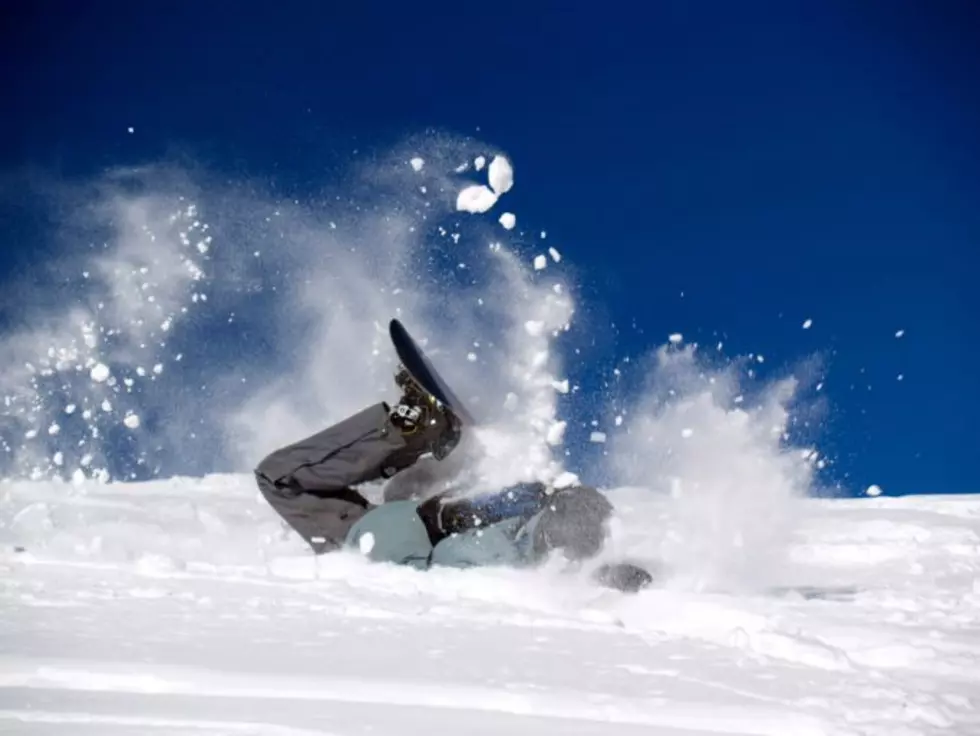
Weather officials have issued severe weather warnings for several regions, urging residents to stay informed and avoid unnecessary travel while snow and icy conditions continue to affect major transport routes.
Quick Summary
A surge of cold Antarctic air has pushed across New Zealand, delivering one of the most significant cold outbreaks of the winter season. The South Island has experienced the heaviest snowfall, while parts of the North Island have also seen wintry showers, strong winds, and a sharp drop in temperatures.
Highlights
- Heavy snowfall across several South Island regions.
- Freezing overnight temperatures in inland areas.
- Severe weather warnings remain in place.
- Cook Strait ferry services disrupted due to dangerous sea conditions.
- Snow and ice creating hazardous driving conditions.
- Road maintenance crews working around the clock to clear affected highways.
Why This Polar Blast Is Significant
While New Zealand experiences cold weather every winter, this polar blast has attracted attention because it combines several severe weather hazards at the same time. Heavy snow, icy roads, strong winds, rough coastal waters, and freezing temperatures have created widespread disruption across multiple regions.
The cold outbreak is the result of a large mass of Antarctic air moving north across the country. As this extremely cold air interacts with moisture, it produces snowfall over elevated areas and significantly lowers temperatures.
The event has led to widespread travel disruptions and prompted authorities to issue weather alerts and safety advisories. Residents are being encouraged to monitor official forecasts as conditions can change rapidly.
School Disruptions
The severe weather has affected schools in several communities.
Depending on local weather conditions, schools have taken different approaches, including:
- Temporary closures.
- Delayed opening times.
- Adjustments to school transport services.
- Remote learning arrangements where available.
Education authorities have advised parents and guardians to check directly with individual schools for the latest updates before travelling.
Travel Disruption
Travel has been one of the sectors most heavily affected by the polar blast.
Road Closures
Snow-covered highways and icy road surfaces have made driving dangerous in several regions, particularly in elevated areas.
Motorists are being advised to:
- Delay unnecessary journeys.
- Carry snow chains when travelling through alpine routes.
- Drive at reduced speeds.
- Allow additional travel time.
- Watch for black ice during early morning hours.
Road crews continue to monitor conditions and clear snow from major highways as weather permits.
Mountain Passes
Several mountain passes have experienced heavy snowfall, resulting in hazardous driving conditions and temporary restrictions.
Drivers travelling through alpine regions should prepare for rapidly changing weather and possible delays.
Ferry Cancellations
Strong winds and large swells have disrupted ferry operations across Cook Strait.
Several ferry sailings have been cancelled or delayed, affecting both passengers and freight services. Travellers are advised to check schedules before leaving for ferry terminals.
Flight Delays
Some regional airports have reported weather-related delays due to reduced visibility and snow accumulation.
Passengers should confirm flight schedules with their airlines before travelling to the airport.
Public Transport
Bus and regional transport services have also experienced delays in areas affected by snow and icy conditions.
Commuters are encouraged to allow extra travel time and monitor local transport updates.
Snowfall Areas
| Region | Snowfall | Travel Impact |
|---|---|---|
| Queenstown Lakes | Heavy | Hazardous road conditions |
| Mackenzie Country | Heavy | Snow clearance operations underway |
| Kaikōura | Moderate to Heavy | Driving delays |
| Canterbury High Country | Heavy | Snow chain restrictions possible |
| Central Otago | Moderate | Reduced visibility on roads |
| Wellington Region | Light Wintry Showers | Ferry disruptions due to rough seas |
Weather conditions may vary depending on elevation, with higher areas generally receiving heavier snowfall.
. https://theglobalnews.in/why-did-raghav-juyals-bhai-tera-star-hai-struggle-at-the-box-office/
Safety Advice
Authorities recommend the following precautions during the cold outbreak:
- Avoid unnecessary travel whenever possible.
- Check road and weather updates before leaving home.
- Carry warm clothing and emergency supplies when driving.
- Ensure vehicles are suitable for winter conditions.
- Keep mobile phones fully charged.
- Drive slowly on snow-covered or icy roads.
- Follow instructions from emergency services and local authorities.
Taking these precautions can significantly reduce the risks associated with severe winter weather.
Emergency Response
Emergency services and local councils have activated winter response plans to minimise disruption.
Current response efforts include:
- Snowploughs clearing major highways.
- Road gritting and de-icing operations.
- Monitoring high-risk transport routes.
- Assisting stranded motorists where necessary.
- Coordinating with transport operators to restore services safely.
Authorities continue to assess conditions and respond as required.
Weather Forecast
Forecasters expect cold conditions to continue in the short term, with additional snowfall possible in elevated regions before the weather gradually improves.
The forecast suggests:
- More snow over higher elevations.
- Continued frosty mornings.
- Gradually easing winds.
- Temperatures slowly recovering later in the week.
Even after snowfall ends, motorists should remain cautious as icy roads can persist overnight and during the early morning hours.
Economic Impact
The severe weather is expected to affect several sectors of the economy.
Tourism
Fresh snowfall may attract visitors to ski fields and winter destinations, but hazardous travel conditions could reduce visitor numbers in some areas.
Businesses
Retail stores, hospitality venues, and other local businesses may experience lower customer traffic during periods of severe weather.
Transport
Road closures, ferry disruptions, and flight delays may temporarily affect passenger travel and freight movement.
Agriculture
Farmers may need to provide additional protection for livestock exposed to freezing temperatures and snowfall, particularly in rural and elevated areas.
Understanding Polar Blasts
A polar blast occurs when extremely cold air from Antarctica moves northward over New Zealand. As this cold air interacts with moisture, it can produce snowfall at relatively low elevations, freezing temperatures, strong southerly winds, and rough coastal conditions.
Meteorologists note that polar blasts are a natural winter weather pattern in the region. However, the severity and local impacts of each event depend on atmospheric conditions, moisture levels, and regional weather systems.
Frequently Asked Questions
What is causing the polar blast?
The cold outbreak has been triggered by a large mass of Antarctic air moving across New Zealand, bringing freezing temperatures, snow, and strong winds.
Which areas received snow?
The heaviest snowfall has been reported across the South Island, including Queenstown Lakes, Mackenzie Country, Canterbury High Country, Central Otago, and surrounding alpine regions.
Which roads are affected?
Several highways and mountain passes have experienced snow, ice, or temporary restrictions. Drivers should check the latest road conditions before travelling.
Are ferries operating?
Some Cook Strait ferry services have been cancelled or delayed because of rough sea conditions and strong winds.
When will the weather improve?
Weather conditions are expected to improve gradually later in the week, although freezing temperatures and icy roads may continue for some time.
Which schools are closed?
School closures and delayed openings vary by region. Parents and guardians should check directly with their local schools for the latest announcements.
Conclusion
The latest polar blast has brought significant snowfall, freezing temperatures, and widespread travel disruption across parts of New Zealand. While emergency crews continue clearing roads and restoring transport services, authorities are urging residents to remain cautious, monitor weather updates, and avoid unnecessary travel until conditions improve. With more cold weather still expected in some areas, preparedness and following official advice remain the best ways to stay safe during this winter weather event.


- Mechanical Engineers in Oil & Gas: Why Aramco Experience, Site Skills and Driving Can Boost Your Career in 2026
- Aamir Khan and Sunny Deol Join Amitabh Bachchan for KBC 18 Premiere: Here’s What to Expect
- Sarfaraz Khan’s India Test Hopes Reopen After Sai Sudharsan’s Injury
- Mumbai Police Constable Guarding Salman Khan’s Residence Dies of Suspected Heart Attack
- Consumer Affairs Victoria Launches Bid to Shut Down Panda Mart Stores











Leave a Reply