

By SK | TheGlobalNews
For mechanical engineers looking to build a stronger career in the Gulf, the Oil & Gas industry remains an attractive field in 2026. From engineering and construction to maintenance, commissioning, inspection and project management, the sector offers a wide range of opportunities for professionals with the right technical and site experience.

For engineers targeting Saudi Arabia in particular, experience on major industrial projects can be extremely valuable. Among the names that carry significant weight in the regional energy industry is Saudi Aramco, one of the world’s largest integrated energy companies.
However, becoming a successful Oil & Gas mechanical engineer is not simply about getting an “Aramco approval”. A strong career requires a combination of technical knowledge, practical site experience, international codes and standards, safety awareness, documentation skills and professional qualifications.
Another skill that is sometimes underestimated is driving.
For site-based mechanical engineers, having a valid driving licence and being comfortable travelling between different work areas can provide a genuine practical advantage.
Why Oil & Gas Is a Good Career Choice for Mechanical Engineers
Mechanical engineering is closely connected to the Oil & Gas industry.
Oil refineries, petrochemical plants, gas processing facilities, pipelines and energy projects all depend on mechanical systems and equipment.
Mechanical engineers can work in several areas, including:
- Mechanical project engineering
- Piping engineering
- Static equipment
- Rotating equipment
- Maintenance
- Reliability
- Construction
- Commissioning
- QA/QC
- Inspection
- Shutdown and turnaround projects
- Facilities and utilities
- Procurement and technical support
This means a mechanical engineer does not necessarily have to follow one career path.
Someone interested in construction can move towards site engineering, while another engineer may specialise in equipment, maintenance, reliability or piping.
For engineers planning a Gulf career, this flexibility is one of the biggest attractions of the sector.
Why Saudi Aramco Experience Can Be Valuable
Saudi Aramco-related project experience can add significant value to a mechanical engineer’s CV.
The reason is not simply the company’s name. Major projects associated with Aramco operate within detailed engineering, safety, quality and construction requirements.
Engineers working on such projects may gain exposure to:
- Saudi Aramco Engineering Requirements
- International engineering codes
- Mechanical specifications
- Piping standards
- Equipment requirements
- Inspection procedures
- Quality-control systems
- Permit-to-work procedures
- Construction documentation
- Testing and commissioning
- Mechanical completion
- Handover procedures
Aramco’s engineering vacancies can specifically require relevant Oil & Gas experience as well as knowledge of Saudi Aramco engineering requirements and international codes and standards.
This type of experience can therefore help an engineer become more competitive when applying for other major industrial projects across Saudi Arabia and the wider Gulf.
. https://theglobalnews.in/sarfaraz-khans-india-test-hopes-reopen-after-sai-sudharsans-injury/
Aramco Approval Is Not the Same as Being a Good Engineer
One important point needs to be understood clearly.
The phrase “Aramco approved engineer” is commonly used in the Gulf job market, but approval and professional competence are not the same thing.
Depending on the project and position, people may use the phrase to refer to different types of client approval, project experience, registration or acceptance.
An engineer should therefore avoid believing that one approval automatically guarantees employment.
What employers ultimately value is the complete professional profile.
A mechanical engineer with genuine Oil & Gas experience, strong technical knowledge, safety awareness, site experience and knowledge of applicable standards is likely to have a much stronger career foundation than someone who simply has an approval-related credential without practical knowledge.
Saudi Council of Engineers Registration Matters Too
Engineers planning to work in Saudi Arabia should also understand the importance of professional registration.
The Saudi Council of Engineers (SCE) plays an important role in professional accreditation and registration for engineering professionals working in the Kingdom.
This should not be confused with Saudi Aramco project approval.
An engineer may need the appropriate professional registration while separately meeting the requirements of a particular employer or project.
Therefore, anyone preparing for a Saudi career should pay attention to both professional documentation and project-specific requirements.
Why Site Experience Can Change a Mechanical Engineer’s Career
For a mechanical engineer, classroom knowledge is only one part of the job.
Oil & Gas employers often need engineers who understand what actually happens at site.
A site mechanical engineer may be involved in:
- Equipment installation
- Pump installation
- Piping installation
- Valve installation
- Pressure testing
- Hydrotesting
- Alignment
- Equipment inspection
- Flushing
- Commissioning
- Mechanical completion
- Punch-list clearance
- Contractor coordination
- Client inspections
This experience teaches engineers how drawings, specifications and engineering standards are translated into physical construction.
That practical understanding can become extremely valuable when moving towards senior engineering positions.
Why Driving Is an Important Skill for Site Engineers
Driving may not appear in a mechanical engineering degree, but it can be a surprisingly useful career skill.
Large Oil & Gas and industrial projects can cover huge areas.
A mechanical engineer might need to travel between:
Site office → plant → equipment area → workshop → warehouse → inspection location → contractor office
A site engineer who can drive independently may have greater flexibility when travelling between work locations, subject to company policies and transport arrangements.
This is especially relevant for engineers working on:
- Remote industrial projects
- Refineries
- Petrochemical plants
- Pipeline projects
- Construction sites
- Shutdown projects
- Maintenance contracts
- Commissioning projects
Driving does not make someone a better engineer.
But technical competence plus mobility can make an engineer more useful in a site environment.
Driving Licence Can Broaden Job Opportunities
Imagine two engineers with similar qualifications and experience.
Engineer A has strong technical knowledge but cannot drive.
Engineer B has the same technical knowledge and also has a valid driving licence and is comfortable travelling to project locations.
For a purely office-based engineering position, this difference may not matter much.
For a field-based position, however, Engineer B may have greater practical flexibility.
This is why mechanical engineers planning a Gulf site career should consider getting a proper driving licence and becoming a confident driver.
It should be viewed as a supporting career skill rather than a substitute for engineering expertise.
What Mechanical Engineers Should Learn for Oil & Gas
Engineers moving from general mechanical or HVAC backgrounds into Oil & Gas should build their knowledge gradually.
1. Piping
Learn:
- P&ID reading
- Isometric drawings
- Pipe supports
- Valves
- Flanges
- Fittings
- Hydrotesting
- Piping installation
- MTO
- Basic piping specifications
2. Mechanical Equipment
Understand the fundamentals of:
- Pumps
- Compressors
- Heat exchangers
- Pressure vessels
- Storage tanks
- Mechanical seals
- Bearings
- Couplings
- Alignment
3. Codes and Standards
Engineers should become familiar with the purpose and application of standards such as:
- ASME
- API
- ASTM
- NFPA, where applicable
- Saudi Aramco engineering requirements
The objective should not be to memorise every clause.
Instead, engineers should understand which standard applies to which engineering activity.
4. QA/QC Documentation
Site engineers should understand documents such as:
- Method statements
- Inspection and Test Plans
- Material Inspection Requests
- Work Inspection Requests
- RFIs
- Test reports
- Punch lists
- Mechanical completion documentation
These documents are an important part of large industrial projects.
Safety Is Essential
Oil & Gas is not an industry where technical knowledge alone is sufficient.
Engineers must understand workplace safety.
Important areas include:
- Permit to Work
- Lockout/Tagout
- Job Safety Analysis
- Toolbox talks
- Confined-space safety
- Hot-work safety
- Working at height
- Gas testing
- Lifting operations
- Excavation safety
A technically strong engineer who ignores safety requirements can become a serious liability on a major project.
What About HVAC Engineers?
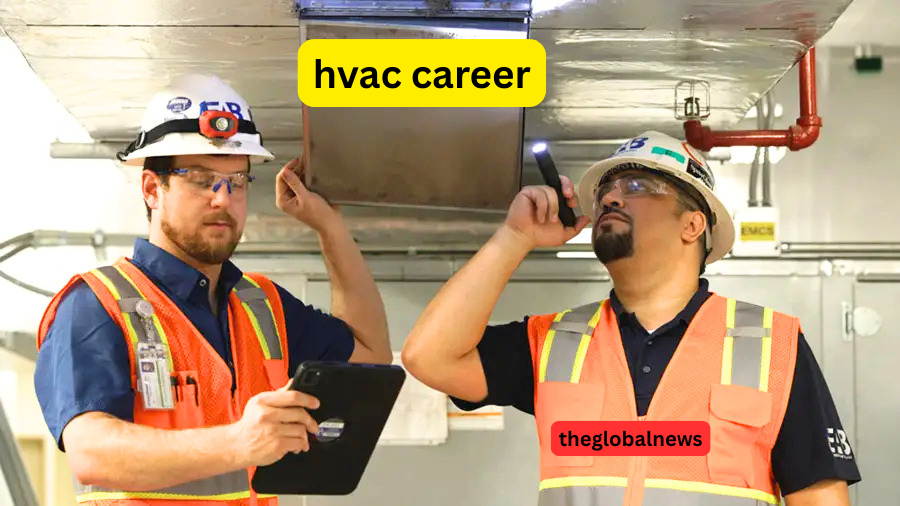
Mechanical engineers already working in HVAC and MEP do not necessarily need to start their careers from zero.
HVAC professionals already understand mechanical systems, equipment, drawings, contractors and site coordination.
They can gradually expand into industrial mechanical work by learning:
Pumps + piping + valves + equipment + P&IDs + industrial standards + commissioning.
This can create a bridge from conventional building services into industrial projects.
The transition may take time, but existing mechanical experience can provide a useful foundation.
A Practical 2026 Career Roadmap
For a mechanical engineer targeting Saudi Arabia, a practical roadmap could look like this:
Mechanical Engineering Degree
↓
Mechanical/HVAC/MEP Experience
↓
Industrial Mechanical Knowledge
↓
Piping and Equipment Skills
↓
Oil & Gas Site Experience
↓
International Codes and Standards
↓
Saudi Aramco Project Exposure
↓
Saudi Council of Engineers Registration
↓
Driving Licence
↓
Senior Mechanical Engineer / Project Engineer
↓
Lead Engineer / Engineering Manager
This is not a guaranteed career path, but it provides a logical framework for developing the skills that major industrial employers commonly seek.
Don’t Chase Certificates Without Experience
One of the biggest mistakes engineers make is collecting certificates without developing practical skills.
A CV containing dozens of certificates does not automatically make someone an experienced Oil & Gas engineer.
Instead, engineers should ask:
What can I actually do on site?
Can you read a P&ID?
Can you understand an equipment drawing?
Can you supervise pump installation?
Can you understand hydrotesting?
Can you inspect piping?
Can you prepare or review an ITP?
Can you coordinate with contractors?
Can you understand a mechanical completion package?
Can you work safely under a permit system?
These practical abilities can be much more valuable than collecting unrelated certificates.
The Bigger Career Picture
The Oil & Gas industry can offer strong opportunities for mechanical engineers, particularly those who are prepared to work on industrial sites and continuously develop their technical knowledge.
Saudi Arabia remains an important market for energy and industrial projects, while companies and contractors continue to require engineers across construction, maintenance, project management and specialist technical disciplines.
For engineers targeting this market, Aramco project experience can be a powerful addition to a CV, but it should be viewed as part of a larger career strategy.
Professional registration, technical competence, site experience, safety knowledge, communication skills and the ability to work effectively in demanding environments all matter.
And for field engineers, driving can provide an additional practical advantage.
Final Take
For mechanical engineers considering Oil & Gas in 2026, the sector can be a strong career direction, particularly for those interested in Gulf opportunities.
But the goal should not simply be to obtain an “Aramco approval”.
The real objective should be to become a well-rounded industrial mechanical engineer.
Build technical knowledge.
Learn piping and mechanical equipment.
Understand international codes.
Gain genuine site experience.
Learn QA/QC documentation.
Take safety seriously.
Maintain the required professional registration.
Get a driving licence.
And, where possible, gain legitimate experience on major Saudi Aramco or other leading industrial projects.
That combination can make a mechanical engineer considerably more competitive in Saudi Arabia and the wider Gulf job market in 2026 and beyond.


- Mechanical Engineers in Oil & Gas: Why Aramco Experience, Site Skills and Driving Can Boost Your Career in 2026
- Aamir Khan and Sunny Deol Join Amitabh Bachchan for KBC 18 Premiere: Here’s What to Expect
- Sarfaraz Khan’s India Test Hopes Reopen After Sai Sudharsan’s Injury
- Mumbai Police Constable Guarding Salman Khan’s Residence Dies of Suspected Heart Attack
- Consumer Affairs Victoria Launches Bid to Shut Down Panda Mart Stores







Leave a Reply