

By SK | TheGlobalNews
An unprecedented summer heat wave has brought record-breaking temperatures to South Korea, with the mercury topping 41°C in the country’s southeastern region.
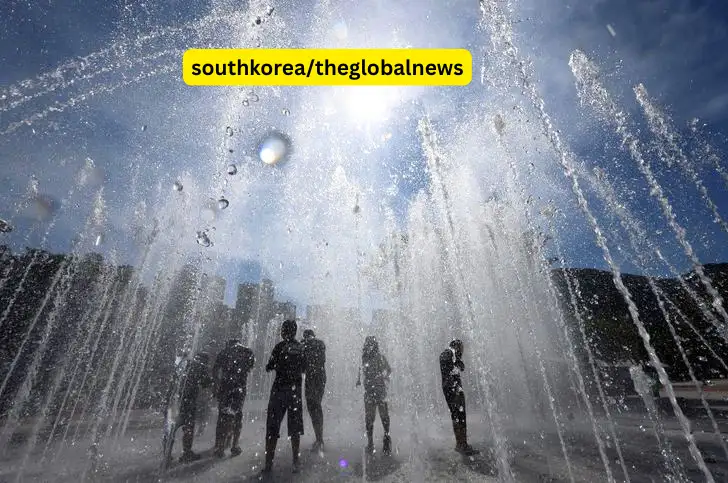
The state weather agency, the Korea Meteorological Administration (KMA), issued its highest-level heat warnings across South Gyeongsang Province and widespread heat advisories across almost the entire country as extreme atmospheric pressure trapped warm air over the Korean Peninsula.
1. The Big Picture: Historical Highs in the Southeast
The epicenter of the heat wave is concentrated in South Korea’s southeastern region, particularly within South Gyeongsang Province.
- Record-Breaking Peak: On Saturday, August 1, 2026, the city of Yangsan (located in South Gyeongsang Province) reached a peak temperature of 41.6°C (106.9°F). This followed an all-time record of 41.4°C set on Friday, July 31.
- New National Milestone: The readings in Yangsan mark the highest temperatures recorded since modern weather observation systems (ASOS) were established in South Korea in 1973. It surpassed the previous national record of 41.0°C set in Hongcheon, Gangwon Province, during the heat wave of August 2018.
- Four Consecutive Days Above 40°C: Yangsan registered temperatures exceeding 40°C for four consecutive days—a phenomenon never before documented in the nation’s meteorological history.
- Widespread Regional Impact: Nearby southeastern locations, including Gimhae, Miryang, and Uiryeong, also reported extreme daytime highs ranging between 38°C and 40°C.
  +--------------------------------------------------------------------+
  |              SOUTH KOREA ALL-TIME TEMPERATURE RECORDS              |
  +--------------------------------------------------------------------+
  |  1. Yangsan (August 1, 2026)      : 41.6°C  [NEW RECORD]          |
  |  2. Yangsan (July 31, 2026)       : 41.4°C                       |
  |  3. Hongcheon (August 1, 2018)    : 41.0°C  [Previous Record]    |
  +--------------------------------------------------------------------+
2. Why Is It Happening? Atmospheric Dynamics
The extreme conditions are driven by a convergence of major atmospheric and regional weather patterns creating a persistent “heat dome” over the region:
- Dual High-Pressure Systems: The Tibetan High-pressure system in the upper atmosphere and the North Pacific High-pressure system in the lower atmosphere overlapped simultaneously over the Korean Peninsula. Together, they act like a lid on a pot, compressing descending air, trapping solar radiation, and limiting cloud cover.
- Foehn Wind Effect: As prevailing winds cross South Korea’s central mountain ranges toward the southeastern lowlands, the air dries out and warms up further, intensifying localized temperatures in South Gyeongsang Province.
- Elevated Sea Surface Temperatures: Unusually high sea surface temperatures in waters surrounding East Asia have released extra thermal energy into the atmosphere, keeping humidity high and preventing significant night-time cooling.
3. Public Health Impact & Emergency Advisories
Prolonged high daytime temperatures combined with tropical nights (where overnight low temperatures remain above 25°C) present significant health risks:
- Heat-Related Illnesses: Public health centers across the nation have reported an increase in medical visits for heat exhaustion, heat cramps, and heatstroke.
- Government Advisories: The Ministry of Interior and Safety and the KMA have issued alerts advising the public to refrain from strenuous outdoor activity between 12:00 PM and 5:00 PM.
- Support for Vulnerable Groups: Municipalities have activated public cooling centers in community hubs and senior centers while deploying social workers to monitor elderly residents living alone, outdoor laborers, and agricultural workers.
4. Daily Life and Operational Adjustments
The sustained heat has prompted operational changes across public and commercial sectors:
- Workplace Precautions: The Ministry of Employment and Labor recommended that construction sites and open-air industrial facilities provide mandatory rest intervals, shaded cooling areas, and hydration stations during peak heat hours.
- Transport Infrastructure: Railway operators have implemented temporary speed reductions on select high-speed rail tracks to guard against thermal expansion of metal rails under direct sunlight. Municipalities are deploying water-sprinkling trucks along urban roads to lower asphalt surface temperatures.
5. Agricultural Impact
Agricultural sectors in the southeastern provinces face ongoing operational challenges due to high heat stress:
- Livestock Protection: Livestock such as poultry, swine, and cattle are vulnerable to sustained temperatures above 35°C. Agricultural agencies are assisting farms with ventilation fans, water sprayers, and roof sprinklers to keep barn environments cool.
- Crop Management: Fruit orchards and outdoor crop fields face heightened risks of leaf scorching and moisture deficits. Farmers are utilizing early morning and late evening irrigation schedules to conserve water and protect soil moisture.
6. Power Grid and Electricity Demand
With air conditioning systems operating continuously across residential and commercial buildings, electricity consumption has surged toward peak summer levels:
- Grid Monitoring: The Korea Power Exchange (KPX) is actively managing reserve capacity margins. While national electricity reserves remain stable, authorities are utilizing demand-response programs to prevent localized grid strain during peak afternoon hours.
- Energy Management: Public agencies advise maintaining indoor cooling units at recommended energy-saving settings (around 26°C) to balance comfort and grid stability.
7. Weather Forecast and Outlook
According to the official forecast from the Korea Meteorological Administration:
- Short-Term Conditions: Heat wave warnings will remain in effect across most inland regions through the early days of August, with daytime highs expected to stay between 34°C and 38°C in inland areas.
- Typhoon Tracking: Meteorologists are monitoring Typhoon Dolphin in the Western Pacific. The typhoon’s trajectory could influence pressure systems over East Asia later in the week, though its exact effect on the ongoing heat dome remains under assessment.
8. Comparison with Past Weather Events
| Feature | 2018 Heat Wave | Current 2026 Heat Wave |
| All-Time High Temp | 41.0°C (Hongcheon, Gangwon) | 41.6°C (Yangsan, S. Gyeongsang) |
| Primary Pressure System | Dominant North Pacific High | Overlapping Tibetan & North Pacific Highs |
| Duration of Extreme Peak | Short-duration single-day spikes | 4 consecutive days above 40°C in Yangsan |
| National Scope | Widespread advisories | Highest-level heat warnings in S. Gyeongsang; nationwide advisories |
Frequently Asked Questions (FAQs)
Why is South Korea so hot right now?
The heat is caused by a “heat dome” created when the upper-level Tibetan High and lower-level North Pacific High pressure systems overlapped over the Korean Peninsula. Descending dry winds over southeastern mountain ranges have further intensified localized daytime temperatures.
Which cities recorded the highest temperatures?
The city of Yangsan in South Gyeongsang Province recorded the highest temperatures, reaching 41.4°C on July 31 and 41.6°C on August 1. Neighboring cities like Gimhae and Miryang also experienced temperatures near 40°C.
Is 41.6°C a national record in South Korea?
Yes. The 41.6°C reading in Yangsan is the highest temperature officially recorded since modern automated weather tracking began in South Korea in 1973, breaking the previous 2018 record of 41.0°C.
How long will the heat wave continue?
The KMA forecasts that daytime temperatures between 34°C and 38°C will persist across inland regions through early August, with forecasters tracking tropical systems in the Western Pacific for potential shifts in weather patterns later in the week.
What precautions should residents take during extreme heat?
Health authorities recommend avoiding direct sunlight and strenuous outdoor activities during peak afternoon hours (12 PM to 5 PM), maintaining frequent hydration, utilizing air-conditioned spaces or municipal cooling centers, and checking on vulnerable family members or neighbors.
Conclusion
The extreme heat wave sweeping South Korea underscores the intensity of modern summer weather patterns across East Asia. With record-breaking temperatures recorded in the southeast and heat advisories covering much of the country, government agencies and local communities remain focused on public health protection, agricultural support, and energy grid stability. As forecasters monitor upper-atmosphere pressure ridges and ocean weather systems, residents are advised to stay informed via official health and meteorological updates.

- Mechanical Engineers in Oil & Gas: Why Aramco Experience, Site Skills and Driving Can Boost Your Career in 2026
- Aamir Khan and Sunny Deol Join Amitabh Bachchan for KBC 18 Premiere: Here’s What to Expect
- Sarfaraz Khan’s India Test Hopes Reopen After Sai Sudharsan’s Injury
- Mumbai Police Constable Guarding Salman Khan’s Residence Dies of Suspected Heart Attack
- Consumer Affairs Victoria Launches Bid to Shut Down Panda Mart Stores






Leave a Reply