

The John Lewis Partnership is executing a multi-year, £800 million transformation strategy designed to modernize both its physical department stores and digital shopping platforms. The initiative combines heavy physical store redesigns with cutting-edge digital commerce, including AI-driven product discovery and social media shopping channels.
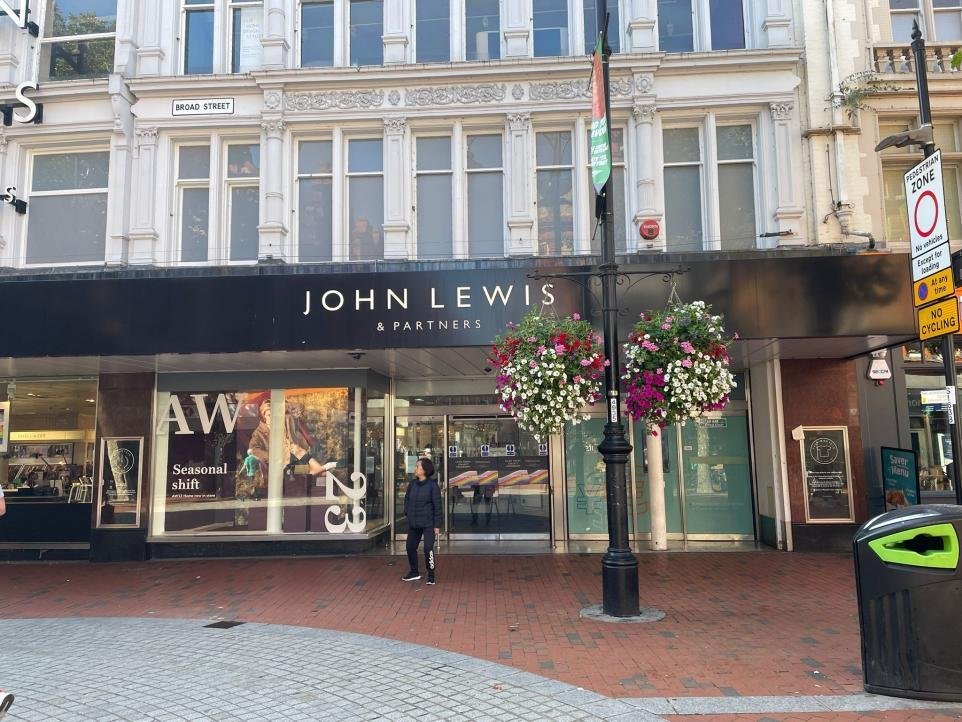
1. What Is the Major Change?
The core shift represents an overhaul of how customers discover, try, and purchase products across John Lewis. Rather than treating physical shops and online platforms as separate entities, the retailer is merging experiential physical retail with new digital sales environments.
Key changes include:
- AI-Powered Discovery: Integrating John Lewis products directly into generative AI platforms (such as Google Gemini and ChatGPT), enabling shoppers to discover recommendations and complete purchases in just a few clicks.
- Social Commerce Expansion: Partnering with platforms like TikTok Shop for direct-to-consumer sales on beauty and gifting items.
- In-Store Experience Upgrades: Expanding Beauty Halls, introducing dedicated sports and wellness hubs, revamping hospitality, and adding leisure spaces like cookery schools and bookstores.
- Price Value Promise: Reintroducing the classic “Never Knowingly Undersold” price commitment to remain competitive across all channels.
2. Why Is John Lewis Making This Change?
- Evolving Shopping Habits: Over 60% of John Lewis sales originate online, while physical footfall increasingly relies on experience, social outings, and leisure services rather than routine transactions alone.
- Changing Discovery Channels: Modern consumers frequently discover brands through conversational AI and social media video feeds rather than traditional search engines.
- Intense High-Street Competition: Traditional department stores face pressure from online-only retailers, requiring physical stores to offer compelling reasons for foot visits.
- Long-Term Financial Strategy: The investment aims to drive revenue growth and operational efficiencies, building on initial financial recovery and pre-tax performance improvements.
. https://theglobalnews.in/jimmy-cricket-dies-at-80-remembering-the-comedian-behind-and-theres-more/
. https://theglobalnews.in/salman-khan-backs-sohail-khan-after-public-divorce-confession/
3. What Does the £800 Million Investment Include?
  +-------------------------------------------------------------------------+
  |              JOHN LEWIS £800M INVESTMENT ALLOCATION FOCUS               |
  +-------------------------------------------------------------------------+
  | • Physical Store Upgrades : Oxford Street Flagship, Regional Refurbs    |
  | • Digital & AI Tech      : Generative AI Discovery & E-Commerce Infrastructure|
  | • Hospitality Makeover   : New 'Platter John Lewis' Concept & Partner Cafés|
  | • Category Expansion     : Dedicated Sports & Wellness, Bigger Beauty Halls |
  +-------------------------------------------------------------------------+
Store Refurbishments & Experiential Spaces
- Flagship Makeover: A multi-million pound renovation of the Oxford Street flagship store, featuring expanded Beauty Halls, jewelry welding, skin treatment clinics, and a 4,600 sq ft Jamie Oliver Cookery School.
- Hospitality Refresh: Revamping cafes and restaurants across 32 locations into the new in-house concept, “Platter John Lewis,” operated in partnership with Benugo.
Category & Service Investments
- Sports & Wellness Hubs: Redesigned sports departments grouped by training activity rather than traditional product categories, offering gait analysis, wearable technology, and recovery gear.
- Beauty & Fragrance: Expanded spaces featuring dozens of new skincare, haircare, and luxury fragrance counters.
Technology & Digital Commerce
- AI Commerce Integration: Extended partnerships with digital infrastructure providers like commercetools to support automated discovery and transactions across third-party AI tools.
- New Digital Touchpoints: Pilot programs across social platforms for seamless in-app purchases.
4. How Customers Benefit
- Faster AI Shopping: Shoppers can ask AI assistants for home or fashion inspiration and buy items directly without leaving the app.
- Better In-Store Experience: Access to specialized services such as cookery classes, gait analysis for athletic footwear, and dedicated beauty treatments.
- Upgraded Dining: Refreshed food and beverage spaces designed for socializing and relaxation during shopping trips.
- Competitive Pricing: Assurance that prices are matched against key high-street competitors under the reinstated price promise.
5. Which Stores Are Affected?
While the £800 million strategy spans the entire business network, specific locations are receiving major targeted overhauls:
- London (Oxford Street): Flagship recipient of major renovations, including the Jamie Oliver Cookery School, expanded Beauty Hall, Waterstones shop-in-shop, and upgraded Sports & Wellness hub.
- Cheadle & High Wycombe: Early beneficiaries of enlarged Beauty Halls and redesigned sports departments.
- Liverpool & Glasgow: Targeted for brand-new and expanded Sports and Wellness departments.
- Reading & Chichester: Among the first branches to receive the new “Platter John Lewis” hospitality refurbishments.
6. Impact on UK Retail
John Lewis’s transformation highlights a wider shift in the UK retail landscape:
- The Evolution of Department Stores: The traditional department store model is moving away from purely holding inventory toward becoming leisure and service destinations.
- Omnichannel Blending: Combining social media checkout, conversational AI discovery, and physical experiential stores represents the new standard for legacy retailers.
- High Street Regeneration: Major flagship investments on UK high streets demonstrate ongoing confidence in physical retail when paired with engaging services.
7. What Happens Next?
- Phased Rollouts: Store refurbishments and restaurant conversions will continue in waves through 2027.
- AI Feature Launches: AI purchasing integrations and extended social commerce channels are expected to expand functionality progressively.
- Evaluation & Expansion: Pilot programs (such as new hospitality concepts and social shop trials) will be evaluated for broader rollout across the remaining retail estate.
Frequently Asked Questions (FAQs)
Why is John Lewis investing £800 million?
The investment is part of a multi-year plan to modernize stores, expand digital commerce capabilities, and adapt to changing consumer habits across online and offline channels.
What is changing at John Lewis?
Key changes include AI-powered shopping integrations, social media sales pilot programs, expanded Beauty and Sports departments, new hospitality concepts, and store modernizations.
Which stores will be refurbished?
Major upgrades are underway across flagship and regional branches, including London Oxford Street, Cheadle, High Wycombe, Liverpool, Glasgow, Reading, and Chichester.
Will prices change because of this investment?
John Lewis reinstated its “Never Knowingly Undersold” price commitment to ensure competitive pricing alongside store and technology upgrades.
How will customers benefit from the changes?
Customers gain access to faster digital checkout via AI apps, expanded in-store expert services, updated dining options, and broader product selections in key categories.
What is John Lewis’ new retail strategy?
The strategy focuses on an “omnichannel” model that seamlessly connects physical experiential stores with emerging digital commerce channels like AI tools and social platforms.


- Mechanical Engineers in Oil & Gas: Why Aramco Experience, Site Skills and Driving Can Boost Your Career in 2026
- Aamir Khan and Sunny Deol Join Amitabh Bachchan for KBC 18 Premiere: Here’s What to Expect
- Sarfaraz Khan’s India Test Hopes Reopen After Sai Sudharsan’s Injury
- Mumbai Police Constable Guarding Salman Khan’s Residence Dies of Suspected Heart Attack
- Consumer Affairs Victoria Launches Bid to Shut Down Panda Mart Stores







Leave a Reply